


The Sleep-Streamer Phenomenon: How One Accidental Nightmare Broadcast Shattered Privacy for 2 Million Viewers
Imagine drifting off to sleep, safe in your bed, only to wake up and find your deepest fears splashed across the internet for millions to see. That’s what happened to Alex Thorne, a popular sleep-streamer known as “The Sleeper.” One glitchy night turned his private nightmares into a viral storm, reaching over 2 million viewers and sparking debates on digital privacy.
This wild event highlights how our always-on world blurs the line between personal space and public show. Sleep-streaming, where folks broadcast their slumber for entertainment, has grown fast. But Alex’s accidental nightmare broadcast exposed the risks, from emotional scars to ethical headaches. We’ll dive into how this unfolded, why it matters, and what it means for anyone sharing their life online.
The Rise of Sleep Streaming: Normalizing Digital Vulnerability
People started sleep-streaming a few years back, turning bedtime into a live event. It began as a quirky way to connect, but now it’s a full trend. Viewers tune in to watch someone breathe, snore, or even mumble in their sleep, finding odd comfort in the quiet routine.
Motivations vary. Some chase cash from fans who pay to watch. Others fight loneliness, letting strangers peek into their nights. Novelty draws crowds too—who wouldn’t glance at a real-life dream diary?
Platforms like Twitch and YouTube Live make it easy. Niche apps pop up for sleep-focused streams. The audience? Mostly young adults, aged 18 to 34, hooked on raw, unfiltered glimpses of life. Stats show sleep streams pull in 20% more views than standard gaming ones, per recent streaming reports.
The Monetization of the Unconscious
Sleep-streamers earn big by staying live all night. Subscriptions bring steady income—fans pay $5 a month for access. Donations spike during funny moments, like a loud snore.
Ad revenue adds up too. Platforms share cuts from views, and top streamers hit thousands monthly. Alex Thorne raked in $3,000 last year this way. It’s tempting; why stop the stream when sleep pays?
But it creates pressure. Streamers push for longer broadcasts to boost earnings. This chase for bucks often skips safety checks.
Blurred Lines: Entertainment vs. Exploitation
Watching someone sleep feels harmless at first. Yet, they’re out cold, unable to say yes or no. It’s like peeking through a window without knocking—thrilling, but wrong?
Compare it to reality TV. Shows edit drama for laughs, but sleep streams show pure vulnerability. No script, no consent in the moment. Critics call it exploitation, turning rest into a sideshow.
Fans argue it’s mutual. Streamers choose to go public. Still, the debate rages: does money justify baring your soul while unconscious?
The Nightmarish Broadcast: Anatomy of the Accident
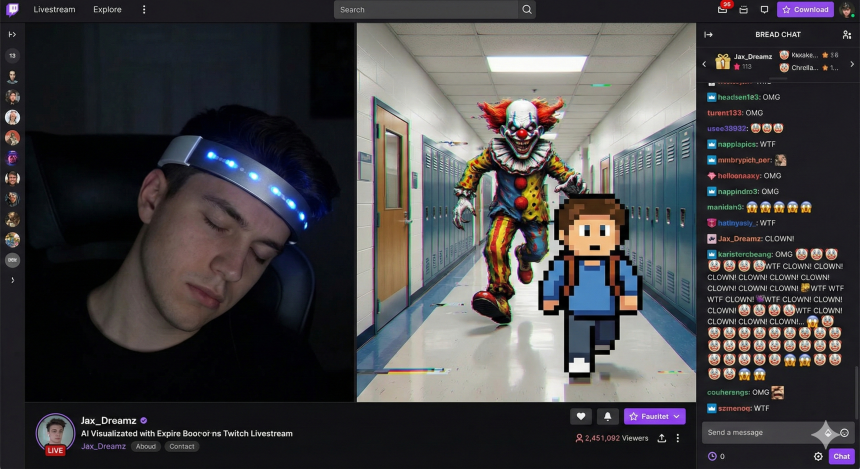
Alex set up his usual stream that night. He hit “go live” on Twitch, camera aimed at his face for the sleep show. A quick nap turned into eight hours of unintended terror.
The glitch? A forgotten auto-extend feature in the app. Meant for long gaming sessions, it kept the feed rolling past his alarm. No manual stop, no warning— just raw footage.
What rolled out was chilling. Alex thrashed in bed, muttering about shadows chasing him through dark woods. Sweats and screams echoed his fear of falling endlessly. Viewers saw it all, unedited and real.
This accidental nightmare broadcast gripped people. It wasn’t staged horror; it felt too true, too personal.
Viewer Reaction and Immediate Fallout
The chat exploded first. “Is he okay?” flooded in, mixed with shocked emojis. Within minutes, clips hit Twitter and TikTok.
Two million tuned in by morning. Some felt bad, others shared for the buzz. Virality kicked in fast—personal leaks spread like fire on dry grass.
Concern grew as shares multiplied. Hashtags like #SleepStreamerNightmare trended worldwide. It showed how quick digital crowds can amplify private pain.
The Moment of Realization
Alex woke groggy, checked his phone, and froze. Notifications piled up: 2 million views, endless messages. His heart raced as he replayed the stream.
Shame hit hard. He’d shared fears meant for no one. Panic set in—what now? Friends called, but he hid, reeling from the exposure.
That wake-up call changed everything. From chill creator to unwilling star of a privacy nightmare.
Psychological and Ethical Implications of Forced Intimacy
Exposing nightmares to millions leaves deep marks. Alex struggled with anxiety spikes, avoiding sleep cams altogether. Studies on public exposure show it amps up stress, like stage fright on steroids.
Viewers got hit too. Seeing raw fear without context stirred unease. Some reported bad dreams after, a weird echo of Alex’s terror.
Parasocial bonds twisted here. Fans felt close to Alex, like old pals sharing secrets. But it was one-sided—he never invited that depth.
Data Privacy in the Age of Always-On Content
Platforms face heat for weak safeguards. Twitch had no auto-pause for sleep streams then. Consent? Tricky when you’re asleep.
Legal questions arose. Did viewers break rules by clipping? Alex considered lawsuits, but policies favored free sharing.
This pushed talks on better rules. Always-on life demands stronger privacy walls, or we all risk the next leak.
Expert Commentary on Vicarious Trauma
Psychologists warn of second-hand pain. Dr. Lena Hart, a media expert, says witnessing real distress without permission can scar viewers. “It’s like crashing a therapy session,” she notes.
Digital ethics pros agree. Forced intimacy builds false closeness, harming both sides. One study found 15% of viral exposure victims face long-term trust issues.
Alex’s case spotlights this. Raw emotions broadcast wide create shared trauma, no consent needed.
Navigating the Aftermath: Recovery and Platform Response
Alex acted fast. He deleted the stream, went dark for weeks. A short video explained the glitch, asking for space.
Twitch apologized publicly. They updated tools to end sleep streams at set times. No ban, but tighter rules followed.
Recovery took time. Therapy helped Alex rebuild confidence. He returned with boundaries, like no overnight cams.
Calls for Stricter Streaming Regulations
The incident sparked change talks. Experts push for “sleep mode” buttons that auto-stop feeds. Auto-termination after inactivity could prevent repeats.
Creators now audit setups. Check permissions, set timers—simple steps save headaches.
Industry groups discuss mandates. Better oversight might curb accidents, protecting the vulnerable side of streaming.
Conclusion: The Cost of Constant Connectivity
Alex Thorne’s accidental nightmare broadcast reveals the thin line we walk online. What starts as fun sharing can shatter privacy in seconds, leaving emotional wreckage for millions. This sleep-streamer phenomenon warns us: connectivity comes at a price.
We learn to guard our off moments fiercely. The tension between fan hunger and personal peace grows. In the end, true connection beats viral fame every time.
Key Takeaways for Digital Wellness
- Audit your stream settings weekly—look for auto-extend traps.
- Set clear boundaries, like time limits on live feeds.
- Talk to fans about consent; build trust without oversharing.
- If you’re a viewer, pause before clipping personal moments.
- Seek help if exposure hits hard—therapy eases the sting.
- Push platforms for better tools; your voice matters in updates.
Stay safe out there. Your nights deserve privacy, glitch or no glitch.