


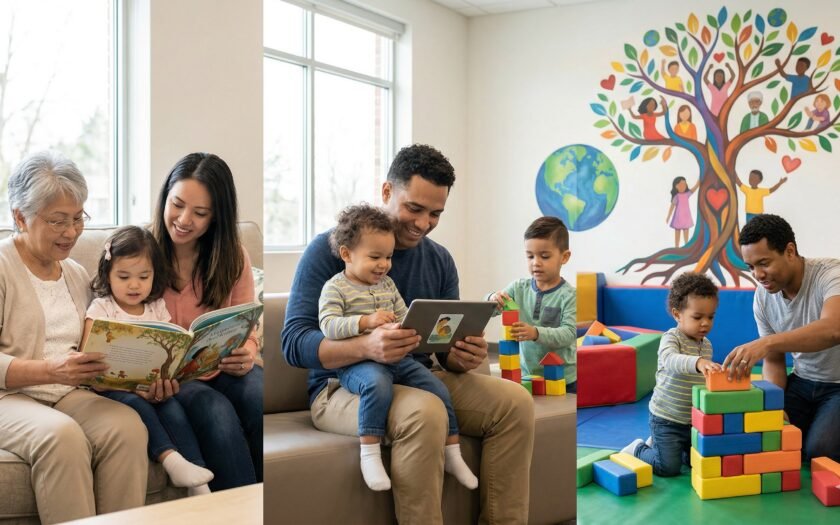
Understanding Child Development: Milestones and Needs
Child development is a complex and multifaceted process characterized by various milestones that signify growth in physical, cognitive, emotional, and social domains. Recognizing these milestones is crucial for parents as they can heavily influence parenting strategies aimed at supporting their child’s overall development. Each stage of development presents unique characteristics and needs that caregivers must understand to foster a nurturing environment.
In early childhood, physical milestones, such as walking and coordination, emerge alongside cognitive developments like language acquisition and problem-solving skills. This period also witnesses significant emotional and social growth as children learn to express their feelings and interact with peers. Parents can support this stage by providing safe opportunities for exploration and engaging in activities that promote communication, such as reading together or playing interactive games.
As children progress into middle childhood, typically from ages 6 to 12, they experience shifts in cognitive development, enhanced focus on learning, and social skill development. During this stage, children begin to cultivate friendships, learn to manage emotions, and develop a sense of self. Parents should foster a supportive learning environment by encouraging curiosity, providing educational resources, and facilitating supportive peer interactions.
Adolescence, emerging from ages 12 to 18, brings about significant changes that can challenge both children and their parents. Developmental milestones during this time include refining identity, achieving independence, and navigating complex emotional landscapes. It is essential for parents to engage in open communication, granting their children the space to express themselves, while simultaneously providing guidance and support. Recognizing individual differences in development can be extremely beneficial, as each child may reach milestones at their own pace.
The environmental context also plays a critical role in a child’s development, shaping experiences and opportunities for growth. By understanding these various developmental stages and individual variances, parents can adapt their strategies to better meet their child’s evolving needs, ultimately fostering an environment conducive to healthy development.
Effective Parenting Strategies: Building a Strong Bond
In the journey of parenting, establishing a strong bond with children is crucial for their emotional and social development. Various effective parenting styles can play a significant role in shaping a child’s behavior and character. Understanding these styles enables parents to adopt approaches that best suit their values and their child’s needs. For instance, authoritative parenting, characterized by warmth and structure, tends to yield positive outcomes by fostering independence and self-regulation in children.
Central to fostering a positive parent-child relationship is effective communication. Engaging children in meaningful conversations helps them feel valued and understood. Active listening plays an integral role in this process; by giving full attention to a child’s thoughts and feelings without interruption, parents demonstrate respect and empathy. This not only strengthens the bond but also encourages children to express themselves openly.
Quality time is another critical factor in nourishing relationships. Parents are encouraged to engage in shared activities that children enjoy, whether it be reading, playing games, or simply engaging in daily tasks together. These moments offer opportunities for connection and serve as a foundation for trust and affection.
Discipline, while often perceived negatively, can be a constructive tool when approached with a positive reinforcement strategy. Instead of focusing on punishment, parents can encourage desirable behaviors by celebrating successes and recognizing efforts. This strategy promotes emotional regulation in children, as they learn to associate positive actions with rewards rather than fear of reprimand. By prioritizing these effective parenting strategies, families can cultivate an environment of support and growth, ultimately leading to healthier, well-adjusted children.
Health and Nutrition: The Foundation for Growing Kids
A child’s health and nutrition play a pivotal role in their overall development. Establishing a balanced diet is essential, as it provides the necessary nutrients that support physical growth, cognitive development, and long-term health. A well-rounded diet should include a variety of fruits, vegetables, whole grains, lean proteins, and healthy fats. Parents can encourage healthy eating habits by involving children in meal planning and preparation, making the process fun and educational.
Regular medical check-ups are crucial for monitoring a child’s growth and development. These visits enable healthcare professionals to assess children’s health status, administer vaccinations, and catch any potential issues early on. Vaccinations are vital in protecting children from preventable diseases. Parents should stay informed about the recommended vaccination schedule and ensure their children receive the necessary immunizations.
Introducing new foods can sometimes be challenging, as children may be resistant to trying unfamiliar items. It is beneficial to expose children to a variety of flavors and textures gradually. Techniques such as offering new foods alongside favorites or engaging children in the selection process can help improve acceptance. Additionally, addressing common health issues such as allergies and obesity is important. Consultation with healthcare providers can guide parents on managing these conditions effectively through dietary adjustments and lifestyle changes.
Physical activity is another crucial component of a child’s health. Regular exercise not only helps maintain a healthy weight but also contributes to improved mood, better sleep, and enhanced social skills. Parents should aim to incorporate physical activity into daily routines, whether through organized sports, outdoor play, or family fitness activities. Balancing nutrition and physical activity fosters a holistic approach to child health, setting the foundation for lifelong wellness.
Navigating Challenges: Parenting in a Diverse World
Modern parents face a multitude of challenges shaped by the dynamic nature of society. One significant hurdle is balancing work and family life, especially in today’s fast-paced environment. Many parents find themselves juggling demanding careers alongside their parental responsibilities, leading to stress and potential burnout. To effectively manage this balance, it is crucial to establish clear boundaries between work and home life. Prioritizing family time and communicating openly about commitments can alleviate some of the pressure. Furthermore, utilizing flexible work arrangements, when possible, can contribute positively to maintaining this balance.
Coping with stress is another common challenge for parents. Stress can stem from various sources including financial pressures, job instability, or the responsibilities of raising children. Practicing self-care is vital for parents to sustain their well-being. Activities such as regular exercise, mindfulness practices, and pursuing hobbies can significantly enhance mental resilience, allowing parents to be more present and effective in their roles.
In a multicultural society, managing relationships can prove complex. Parents are encouraged to foster awareness of diversity and inclusion within their families. Engaging children in conversations about different cultures and social responsibilities can provide valuable lessons that promote empathy and acceptance. Building a support network is also essential; connecting with other parents, community groups, or professional resources can offer guidance and reassurance.
Ultimately, the ability to adapt and remain resilient in the face of challenges is key in modern parenting. By embracing change and seeking assistance as needed, parents can guide their children successfully through an increasingly diverse world, ensuring they grow up equipped to contribute positively to society.